About the book
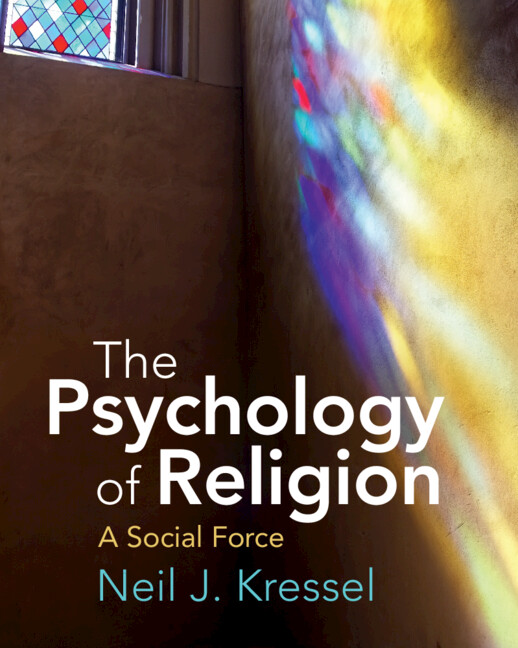
Many of the greatest minds in psychology have tried to unravel the mysteries, power, appeal, and consequences of religion. The task of understanding human behaviour will never be complete without the use of science and logic to examine the psychology of religion and spirituality. This undergraduate textbook provides an engaging and accessible tour of the field, drawing on historical, theoretical, and cutting-edge sources. It explores the origins and meaning of various forms of religious belief around the globe, with enhanced coverage of non-Christian religions, non-believers, and diverse populations. By focusing on the personal, medical, moral, social, and political consequences of religion, it explores how these findings can be applied in real-world scenarios. Students are supported by clear learning objectives, defined key concepts, varied end-of-chapter questions, further reading suggestions, and visual content, making this an invaluable resource for undergraduates in the psychology of religion and spirituality.
A comprehensive account that combines historical and theoretical developments with current research and real-world applications
Includes engaging stories drawn from experience, history, and current events to provide a jargon-free, lively and accessible introduction to the field
Tackles overlooked topics such as religious extremism and the sociopolitical implications of religious belief
Book Details
HARDCOVER
9781108493390
PAPERBACK
9781108737029
EBOOK
9781108623902
DOI
10.1017/9781108623902
What people are saying
‘The Psychology of Religion: A Social Force is destined to become a classic. It is unsurpassed in range and scope. Neil Kressel perceives religion as a social force, which now must include this marvelous book packed with wisdom on every topic discussed. This textbook is a true social force itself.’
Ralph W. Hood, Jr, University of Tennessee
‘Unlike many psychology of religion textbooks, this one explores boldly the realm of sociology, incorporating classical sociological theories while emphasizing practical social applications. Its methodology section offers valuable insights, highlighting the importance of theory and inquiry in guiding methodology, rather than the other way around.’
Zhuo Job Chen, University of North Carolina at Charlotte
‘Kressel’s textbook is a great introduction to the psychology of religion, one that provides vital historical and multidisciplinary background. Given the ever-expanding field of psychology of religion, its breadth of coverage is impressive. Its approach is accessible to any student, no matter what their educational level or background. Students will surely leave this book with a solid footing in the area.’
Adam Fetterman, University of Houston
‘Neil Kressel offers a comprehensive and engaging approach to the psychology of religion, weaving together thought-provoking case studies, historical insights, and cutting-edge research. By balancing classic and contemporary sources, this book provides an in-depth understanding of religious behaviors and decisions within sociological, psychological, and biological contexts.’
Crystal Park, University of Connecticut
‘I would strongly recommend Neil Kressel’s thorough review and explanation of the essential topics and concepts in the psychology of religion. Most importantly, his descriptions are unique in their user-friendly approach. His emphasis on creating an understandable text does not compromise the intellectual rigor of the information.’
Deborah Pauli, Southwestern Assemblies of God University
‘Neil Kressel’s textbook is a comprehensive and valuable resource for students, instructors, and scholars of the psychology of religion and spirituality. It introduces readers to the classic theories as well as current developments and incorporates insights from sociology, philosophy, and the biological sciences, while not shying away from critically discussing the political and social implications of the empirical findings of the field.’
Patrick Rosenkranz, Newcastle University
Buy the book
Resources
Lecture slides for each chapter
Figures and Tables from the book
Slides for your 1st day of class
Table of Contents
1. The untold story of the psychology of religion
2. Classic approaches to religion and spirituality
3. Behaviorism, neuroscience, and the cognitive science of religion
4. The sociological context
5. Research methods and the empirical tradition
6. Religious attitudes and beliefs around the world
7. Religious development, religious experience, and prayer
8. Religion and health
9. Religion and morality
10. Religious extremism
11. The challenge of real-world application
Read bio
KresselN@wpunj.edu
Psychology of religion
psychology of spirituality
religion/spirituality
religiosity
religious socialization
socialization
religious experience
religiousness
religious studies
spirituality
religious psychology
“I have sought to write in a way that will be deemed fair by religious and non-religious readers alike. One of the most challenging, fascinating, and ultimately rewarding tasks associated with writing this book has been trying to present and interpret theories and research findings without allowing biases to creep in from my own religious and personal values. Although I am sure, in the end, that I have not succeeded completely at this, the reader should know that, throughout, I have tried to proceed with respect and an awareness that people with quite divergent views, beliefs, and backgrounds will be reading the book.”
Neil J. Kressel, PhD
Students
…with varying degrees of background will find the book informative and comprehensible
…will find the text fun to read but intellectually and scientifically serious The book shows students what is exciting about the psychology of religion.
…from many background will be able to learn from this text.
…receive a strong introduction to the sociopolitical implications of religious belief.
…leave the course with some understanding of how sociologists have thought about religion.
…leave the book with an introduction to psychologically-based efforts to distinguish between constructive and destructive religion
…from non-Christian and other understudied backgrounds will feel more comfortable with this text.
…will leave the course with a better sense of how knowledge in the field might be applied for better or worse.
…are exposed to cutting edge-work in the field.
…learn about where the field has been and develop important context for interpreting contemporary studies.
…should have less trouble determining which concepts are important to study.
Textbook for undergraduate and graduate courses such as
Psychology of Religion
Sociology of Religion
Pastoral Psychology
Other Religion Courses

Request an exam copy
Interested in adopting this book for your course or curriculum?
Please contact Cambridge University Press to request an exam copy of The Psychology of Religion: A Social Force. Include details about the course you’re teaching. Email CollegeSales@Cambridge.org
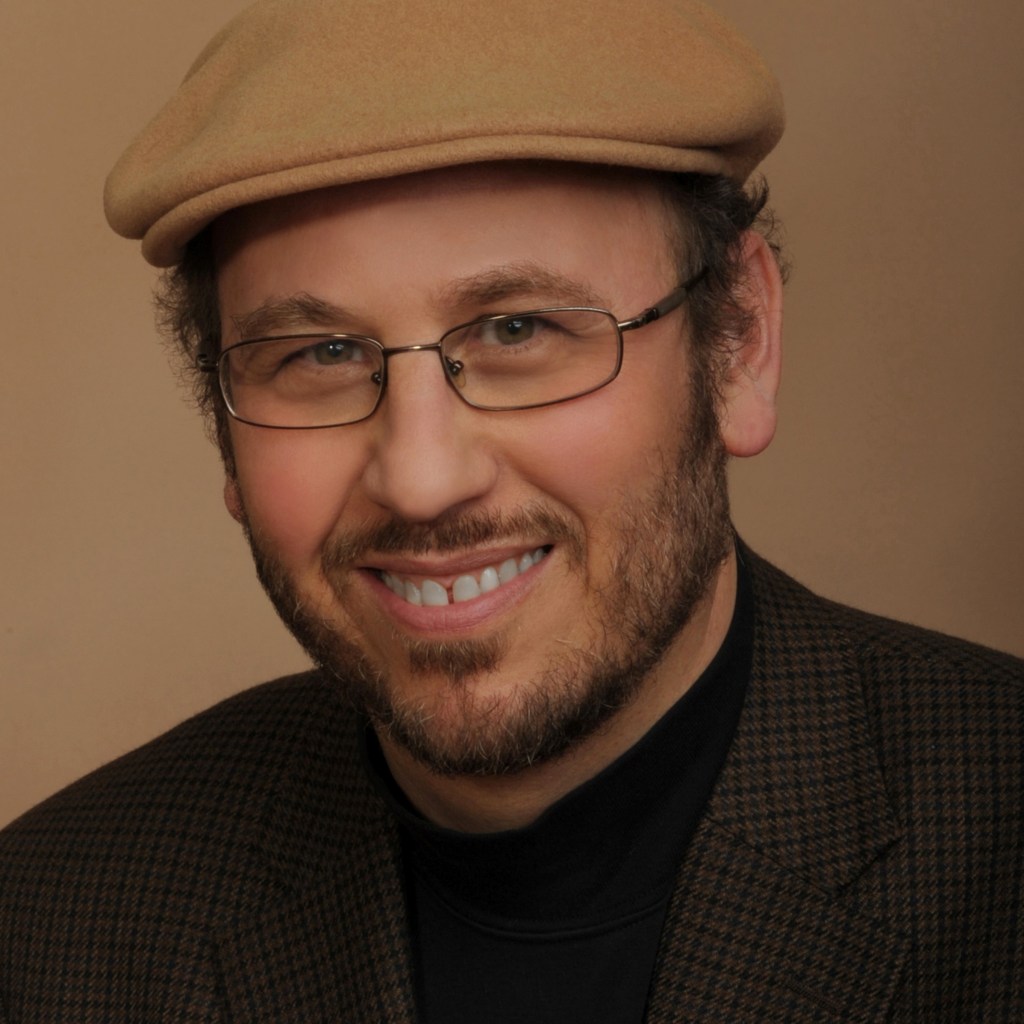
 Neil J. Kressel